

Hot Water Heat Pumps for Kiwi Homes
Hot water accounts for a big slice of the average New Zealand power bill. For Christchurch and Canterbury households, a hot water heat pump can cut that spend while shrinking carbon emissions.
This guide is for residential homeowners and landlords. It explains how hot water heat pumps work, what they cost to run in New Zealand, retrofit versus new build choices, brand considerations, payback, noise and placement, maintenance, and what to expect on installation day.
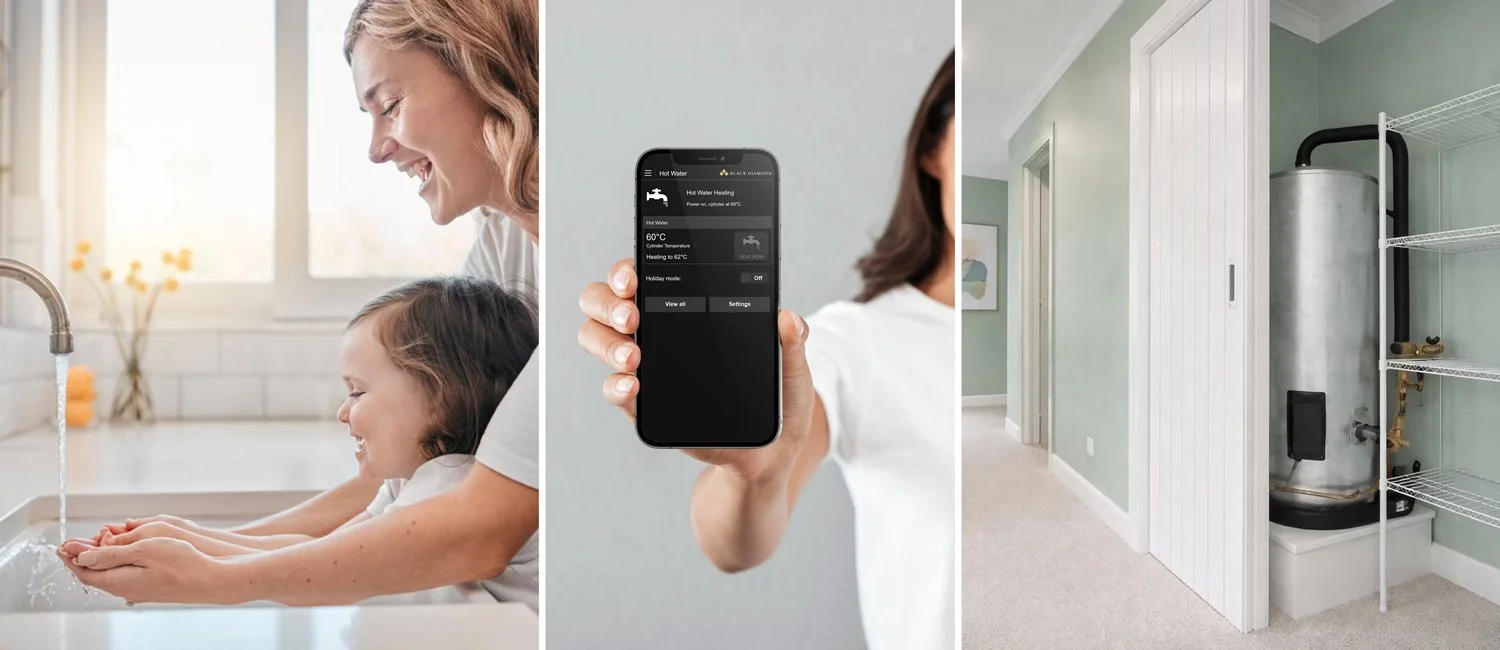
How a hot water heat pump works
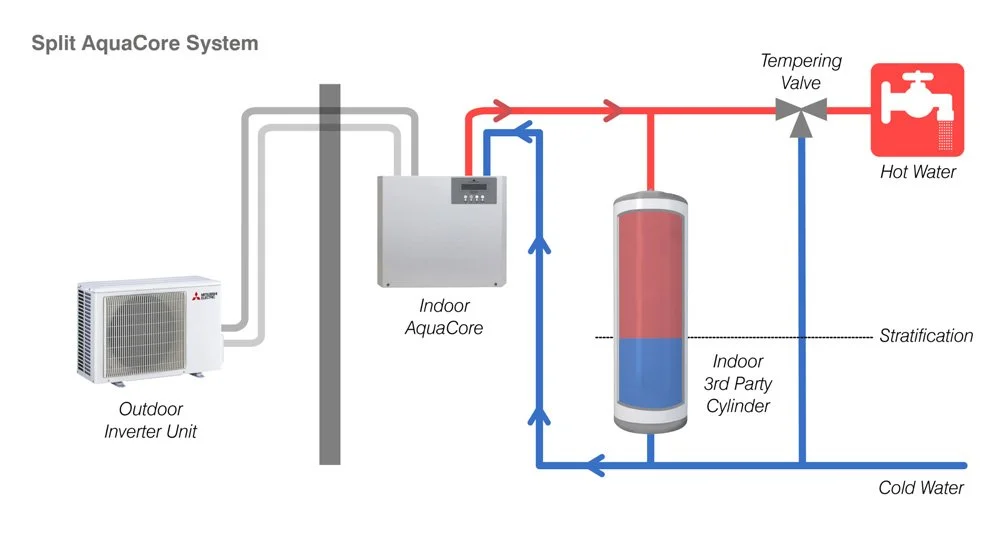
A hot water heat pump moves heat from outdoor air into your cylinder. It uses a refrigerant circuit and compressor, similar to a space heating heat pump, to deliver three to four units of heat energy for roughly one unit of electricity. This coefficient of performance (COP) varies with outdoor temperature, setpoint, and system design. In Canterbury’s climate, modern units are well matched to year round operation.
Key parts:
Outdoor unit that extracts heat from air
Heat exchanger that transfers energy into water
Insulated hot water cylinder
Smart controller with timers and legionella (bacteria) protection cycles
Why a hot water heat pump suits New Zealand homes
Canterbury sees cool winters, frosts, and mild summers. Quality heat pump water heaters are designed to work efficiently in these conditions, often outperforming standard electric resistive cylinders. Benefits commonly include:
Lower power use for the same hot water demand
Reduced household emissions, especially if replacing bottled or reticulated gas
Good performance in variable conditions and at typical NZ cylinder setpoints
For a background on sustainability, see our overview of the environmental benefits of heat pumps.
Running costs compared with electric and gas
Indicative only, actual results vary with tariffs, cylinder size, set temperature, and household use.
Standard electric cylinder: often the most expensive to run, since every kWh in becomes about one kWh of heat out.
Gas storage or instantaneous: fuel prices and fixed charges drive costs. Some households like the continuous hot water feel, but fuel and standing charges can push up total spend.
Hot water heat pump: typically the lowest operating cost option thanks to COP gains. Savings of 50 to 70 percent over a standard electric cylinder are common in well set up systems.
Are heat pumps expensive to run in NZ? For hot water, no in most cases. They are usually cheaper to run than gas and standard electric cylinders, provided the unit is sized and installed correctly and controls are used sensibly.

Payback for Kiwi households
Simple payback depends on:
Power price and any off peak rates
Daily hot water use
Whether you are replacing an electric cylinder or gas
Installation complexity
Retrofit versus new build
Retrofit options
Add on to an existing compatible cylinder using an external heat pump module, or replace the old cylinder with a dedicated heat pump cylinder.
Consider cylinder age and condition. Older or poorly insulated cylinders may limit savings and are often best replaced.
Space: allow clearance for the outdoor unit, good airflow, and tidy pipe runs.
Electrical: a dedicated circuit and compliance paperwork are required.
New build options
Choose a dedicated heat pump cylinder sized for household demand.
Plan placement early to minimise pipe length, keep noise away from bedrooms, and allow easy service access.
Coordinate with other services for neat penetrations and weatherproofing.
Modserve completes a free on site assessment to confirm the best configuration for your home, including capacity, siting, and any electrical upgrades.
We install several Hot Water Heat Pump brands
We install Haier, Rinnai, Rheem, and Aquacore hot water heat pumps. Each has models that suit New Zealand conditions. Points we review at quote:
Capacity and recovery rate for your household size
Cylinder integration and smart controls
Frost protection and quiet operation modes
Local service network and parts availability
Warranty terms, which vary by manufacturer and model (confirm at quote)

Installation day, what to expect
Most installs take one day for straightforward sites. You can expect:
Arrival on time
Cylinder or pipework preparation, outdoor unit placement
Electrical connection by an NZ registered electrician with a Compliance Certificate
Commissioning and temperature checks
Handover showing controls, timers, and efficiency settings
Site tidy and guidance on first week operation
Complex replacements or relocations can take longer and may require additional plumbing or wiring work. We will confirm timelines during quoting.
Tips to maximise efficiency
Use timers to heat water in off peak periods if your tariff supports it
Choose sensible setpoints, typically 55 to 60 degrees, and use built in pasteurisation cycles
Fix dripping taps and hot lines that run excessive distances
Insulate accessible hot water pipes
Keep the outdoor unit clear for strong airflow
FAQ’s
-
Modern units are quiet, typically similar to a quality outdoor heat pump for space heating. Best practice is to:
Position away from bedrooms and neighbour boundaries where possible
Maintain clear airflow and service access
Place on a stable, level pad with vibration isolation
Consider coastal conditions and specify corrosion protection where needed
-
Some systems pair with a standard coil equipped cylinder, others require a dedicated cylinder with the right coil and sensor arrangement. If your current cylinder is older, undersized, or poorly insulated, replacement often improves performance and savings.
-
Plan an annual service to:
Check refrigerant circuit performance and defrost operation
Inspect electrical connections and condensate drainage
Confirm controller settings and legionella protection cycles
Clean filters and coils, remove debris around the outdoor unit
If you ever need support, our team handles heat pump maintenance in Christchurch and can schedule seasonal readiness checks.
Book your free site assessment
A hot water heat pump can cut running costs, lower emissions, and provide reliable hot water for Kiwi homes. With the right brand, cylinder match, careful placement, and regular servicing, most households see strong long term value.
Book a free home hot water assessment to confirm sizing, best placement and installation for your property.