

Heat Pump Servicing: Winter Performance Checklist
This guide outlines a practical winter servicing checklist for heat pumps in Christchurch and Canterbury homes and businesses. It explains why cold, damp conditions and coastal air make regular maintenance essential, what DIY filter and controller checks you can do, and which deeper cleaning and performance tests a technician should handle to keep heating reliable, efficient, and within warranty.
Winter is when heat pumps work their hardest. Dusty filters, blocked drains, or tired fans can turn into short cycling, odours, or poor airflow right when you need heat most. A short, structured service plan typically pays back in comfort and lower power use.
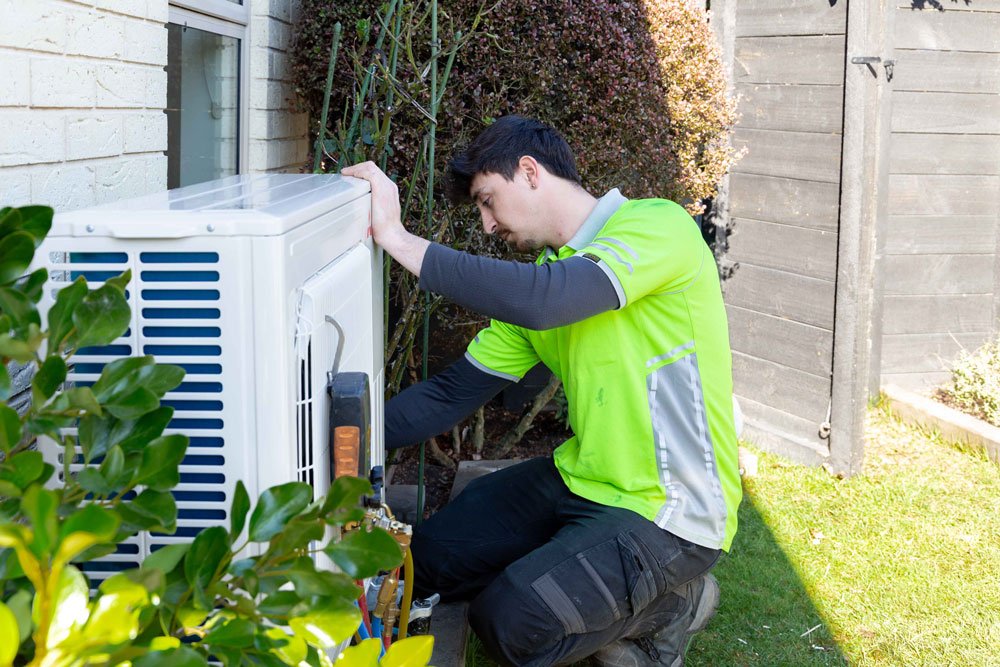
Why winter servicing matters in Canterbury
Cold, damp mornings, frosts, and coastal salt in parts of Canterbury all stress indoor and outdoor units. Annual servicing and steady filter care help your system maintain output on frosty starts, reduce defrost interruptions, and avoid breakdowns during peak hours. Proper commissioning and ongoing servicing also preserve manufacturer warranty terms and help keep energy use in check.
Your winter performance checklist
Split your care into DIY items you can handle, and technician tasks that require tools, gauges, and safe handling of electrical and refrigerant systems.
-
Clean return air filters monthly in winter, more often in dusty homes or high-traffic retail floors. Rinse, dry fully, and refit.
Clear the outdoor unit of leaves, grass, and rubbish; keep at least 300 mm of free space around it.
Check the outdoor base is level and not sitting in pooled water or deep frost.
Set a steady temperature, typically 20°C for living areas and 18°C for bedrooms and offices, to avoid short cycling.
Use Heat mode rather than Auto if Auto causes frequent heating and cooling swings.
Confirm Wi-Fi/app control and schedules are working before cold snaps.
-
A professional winter service typically includes:
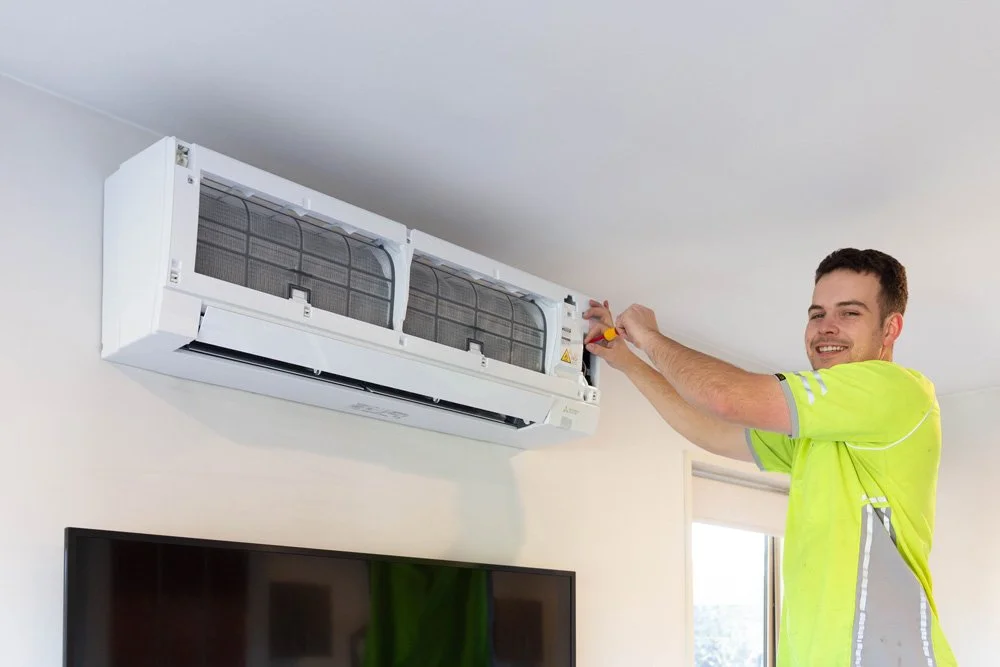
Deep clean of indoor and outdoor coils and fan wheels to restore heat transfer and airflow.
Airflow, temperature split, and refrigerant performance checks.
Electrical safety inspection, terminals tightening, and condensate drain flush to prevent leaks and odours.
Controller, thermostat sensor, and Wi-Fi verification, including firmware or network checks where supported.
Defrost operation and outdoor fan inspection.
Optional corrosion protection spray for coastal sites to reduce salt-related damage and extend outdoor unit life.
In Christchurch, a typical single heat pump service is often scheduled annually, with more frequent visits for dusty, coastal, or heavy use sites.
-
Restricted airflow forces longer run times and can cause icing. After filter cleaning, make sure supply vanes are open and angled to mix warm air across the room. A technician will measure airflow and clear the condensate line so meltwater from defrost cycles drains correctly, preventing leaks, odours, and mould risk around the indoor coil.
-
Before peak season, confirm:
Time and day are correct, and schedules reflect your winter routine
Mode is set to Heat and fan speed is appropriate for the space
Wi-Fi control connects reliably so you can pre-heat on frosty mornings
If pairing drops out, a technician can reconfigure the controller or network settings during service.
-
If you are near the coast or exposed to salt-laden winds, ask about corrosion protection spray for outdoor units. This add on helps protect fins and fasteners and is typically applied after a thorough clean and dry. It is a practical way to extend service life and preserve efficiency between services.

Common winter faults, and what to do
Short cycling: Often dirty filters, oversized units in small rooms, or aggressive setpoints. Clean filters, set a steady temperature, and have sizing and sensors checked if it persists.
Odours: Usually microbial build-up on coils or stagnant condensate. Book a deep clean and drain flush.
Frequent defrosts: May be normal in heavy frost, but clogged coils, weak airflow, or fan issues make it worse. A technician can test sensors and coil condition.
Parallel examples: homes and businesses
Living room unit at home: Clean filters monthly in winter, keep doors and windows closed while heating, and start heating 30 to 45 minutes before school or work routines to reduce load spikes. Book an annual professional service including a coil deep clean and drain check.
Meeting room or retail floor: Filters clog faster due to foot traffic and dust from products or packaging. Check filters monthly and schedule servicing every 6 to 12 months based on hours run. Verify Wi-Fi or building management schedules after any network change, and ask for an airflow balance so occupied areas warm evenly without drafts.
Warranty, commissioning, and cost control
Professional installation and commissioning are critical for performance and to preserve manufacturer warranty terms. For example, major brands typically provide multi-year parts and labour coverage when installed by a licensed professional and maintained appropriately. Routine servicing helps document care history, supports warranty claims where applicable, and reduces running costs by keeping coils and fans clean.
If you are planning a new system for winter, an on-site assessment confirms capacity, placement, and control setup. Learn more about selecting and installing systems in Christchurch on our heat pump page at Modserve, including Mitsubishi and Daikin options that suit Canterbury conditions. For multi room or whole building solutions, consider whether a ducted heat pump might better suit your layout.
When to book a professional
You notice any of the signs listed earlier, or filters re-clog within weeks
The unit trips circuits, leaks water, or produces persistent odours
Wi-Fi or controller faults stop schedules from running
Outdoor unit is loud, icing heavily, or struggling to defrost
Your site is coastal, and you want corrosion protection applied
Modserve’s NZ registered electricians and certified HVAC technicians service homes and businesses across Christchurch and Canterbury, with multi-unit pricing available during the same visit.
FAQ’s
-
Annually for most homes; 6 to 12 months for heavy use commercial or coastal sites.
-
They are typically one of the most efficient heating options; costs depend on temperature, setpoint, insulation, and maintenance.
-
Lower efficiency in very cold weather and potential frost or corrosion issues. Correct sizing, clean coils, and protective coatings mitigate these.
See Mitsubishi heat pumps with Hypercore which delivers New Zealand's best heat pump performance in cold conditions.
Book your winter service
Ready for steady, efficient heat at home or work? Book a winter service for your home or business. Ask about multi-unit pricing and coastal corrosion protection so your system runs clean, quiet, and reliable all season.