

Central Heating in Canterbury: Installation and Running Costs
This guide is for Canterbury homeowners and small businesses planning central heating. If you manage a home or a site, you will find answers on system types, what really drives price, and how to forecast running costs with confidence.
Local context matters. Canterbury has crisp winters with frequent frosts, cool nights and sunny winter days. Correct sizing, good insulation and tidy installation make a noticeable difference to comfort and your power bill in this climate.
What counts as central heating today?
Central heating is an umbrella term. In New Zealand, the most common modern options are built around heat pumps because of their high efficiency.
Ducted heat pump (ducted air): A single indoor fan coil in the ceiling or underfloor connects to flexible ducts that supply warm air to multiple rooms. Zoning lets you heat the whole home or selected areas like bedrooms and living spaces. Ideal for new builds or homes with ceiling access.
Multi split heat pump (multi-room): One outdoor unit connects to several indoor units such as high walls or floor consoles in different rooms. Great when ceiling access is limited or you want individual room control without full ducting.
Hydronic central heating (water based): A central heat source, such as a heat pump or boiler, heats water that circulates to radiators or in-slab pipes. Comfort is even and quiet. Best planned during renovations or new builds because retrofitting pipework can be invasive.
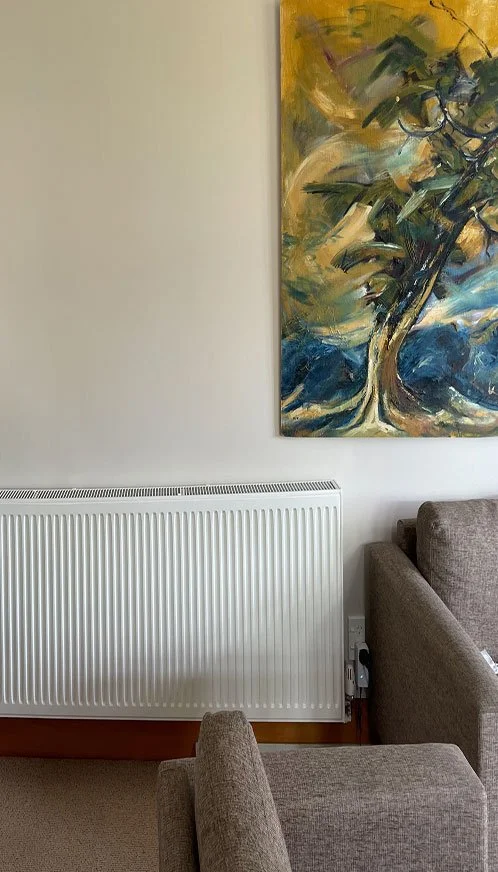
Radiator in home
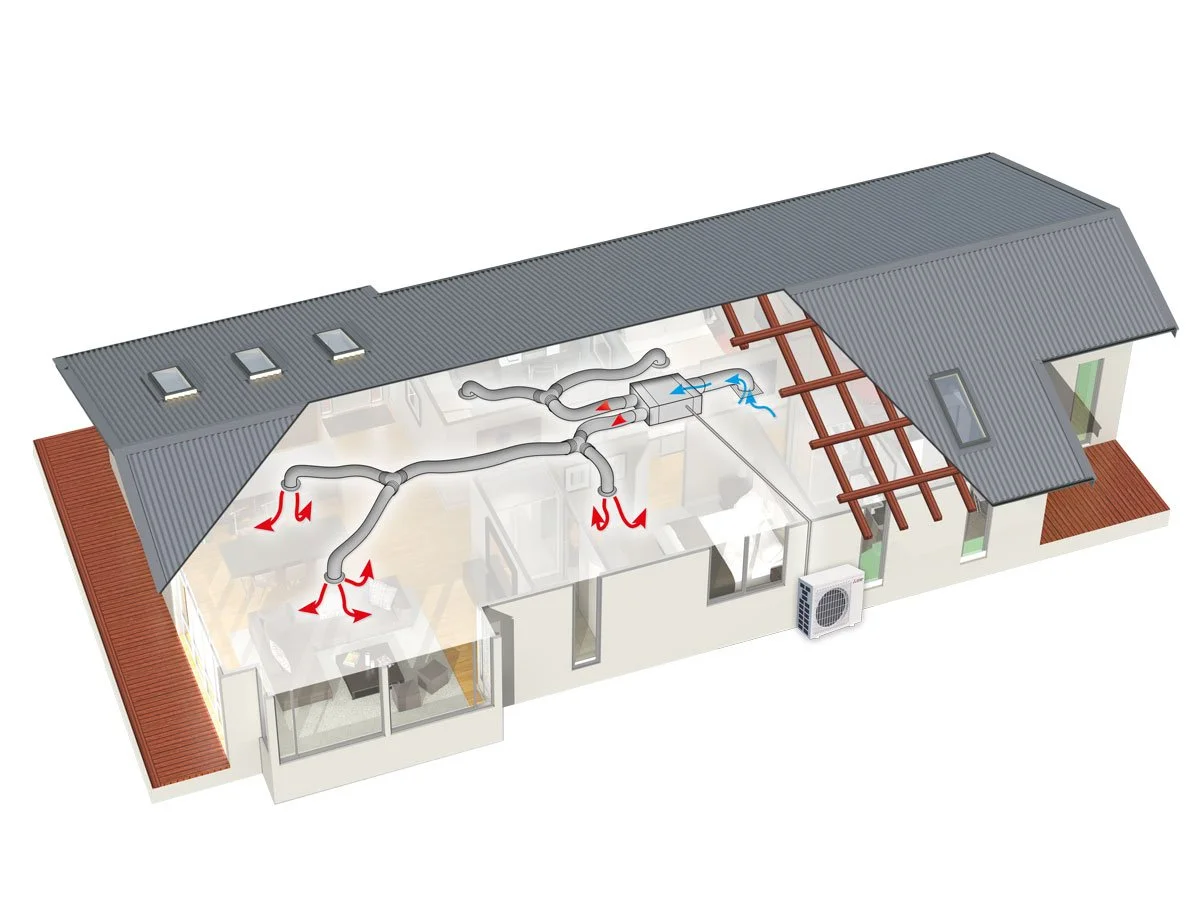
Ducted
The cost drivers you can control
Installation cost varies by property and design. The biggest factors are:
Property size and heat load: Larger floor areas and higher ceilings need more capacity.
Insulation and air tightness: Poor insulation and draughts increase required capacity and running hours. Upgrading insulation can reduce both.
Ducting complexity and access: Roof pitch, truss layout, underfloor space and the length of duct or pipe runs affect labour time.
Zoning and controls: More zones and premium controllers add capability and cost. Wi‑Fi control helps efficiency if used well.
Electrical upgrades: Some homes need a new circuit, RCD protection or a switchboard upgrade to meet code and manufacturer requirements.
Outdoor placement: Long refrigerant runs, core drilling and condensate pumps all add to installation time and materials.
Tip to control spend: decide on your must have zones and rooms upfront, improve insulation if it is weak, and keep the outdoor unit close to the main indoor unit to reduce long pipe runs.
Typical installation cost ranges in Canterbury
Every site is unique, so treat these as indicative only. A short home visit confirms the details and gives you a fixed, transparent quote.
Ducted heat pump for a small to mid-size home, simple roof access and 2 to 3 zones: commonly from the high teens to low 20s (thousand incl. GST)* depending on brand, capacity and zoning hardware.
Ducted heat pump for larger homes with multiple zones, longer duct runs or limited access: mid 20s to mid 30s*.
Multi split with two to three indoor units: often from the high single thousands to the low teens.
Additional indoor units on a multi split, or specialty cassettes/floor consoles: add cost per room based on unit size and pipe run.
Hydronic radiator or underfloor systems: wider range due to plumbing work; retrofits can exceed ducted price points. Best quoted after a site check.
If you are comparing quotes, look closely at what is included: brand and model, capacity, number of supply outlets, return grille placement, zoning kit type, controller features, electrical work, penetrations, condensate handling, commissioning and handover.
(*Prices estimated at the time of writing this blog and may be subject to change).
Why a site assessment is essential
Paper plans miss real world details. A site visit allows correct capacity sizing for Christchurch conditions and checks ceiling access, truss layout, return air paths, noise placement, electrical board capacity and condensate routes. It also protects your warranty, since most manufacturers require certified design and commissioning to qualify for multi-year parts and labour cover.
Modserve’s assessments are done by NZ-registered electricians and certified technicians, then quoted clearly with any provisional allowances set out before work begins.
Running costs in Canterbury and how to budget
Heat pumps deliver 3 to 4 units of heat per unit of electricity in typical winter conditions. In Canterbury’s cool, dry air, well sized systems usually run efficiently. Actual spend varies with house size, set temperatures, occupancy and insulation.
A small, insulated home using a ducted system for evening and morning heating can often sit in the low hundreds per month in peak winter.
A larger family home running longer hours and higher set points can be in the mid to high hundreds per month.
Hydronic heat pump systems can be similar or slightly higher depending on water temperatures and control strategy.
These are broad indicators. To sharpen your forecast, decide on:
Target set points: 20 to 21°C for living areas, 18°C for bedrooms is a healthy baseline.
Hours of operation: continuous low settings typically cost less than frequent on-off spikes.
Zoning: close off areas not in use.
Wi‑Fi control and energy monitoring on many Mitsubishi and Daikin models can help you tune schedules and see the impact of changes in real time.
Simple ways to lower running costs
Seal the envelope: top up ceiling insulation and address obvious draughts around doors and downlights. Thermal imaging can pinpoint heat loss.
Use steady set points: avoid large swings. Set and maintain a comfortable temperature.
Optimise zoning: heat bedrooms before bedtime, then trim back. Keep doors closed for rooms you are heating.
Keep filters clean: check monthly in winter. A clean system uses less energy and lasts longer.
Service annually: a professional service keeps coils, drains and controllers in top shape and can catch faults early.
If you want to diagnose heat loss precisely, Modserve offers thermal imaging to identify insulation gaps and electrical hotspots. You can learn more about our thermal imaging here.

Budgeting for a unit versus a full system
New central heating unit only: replacing a single indoor or outdoor component is sometimes possible but must match capacity and refrigerant type, and it does not address ducting or control issues. Savings can be modest if other components are near end of life.
Full system: includes indoor fan coil or multiple heads, outdoor unit, ducting or pipework, zoning, controls, electrical and commissioning. Upfront cost is higher, but comfort, efficiency and warranty certainty are usually better, especially when moving from portable heaters.
Our technicians can advise if a unit only swap is sensible or if a full system delivers better long term value.
Features that matter in Canterbury
Inverter technology: matches output to demand for quieter, more efficient operation.
R32 refrigerant: modern, efficient and widely supported.
Corrosion protection: valuable if you are near the coast or in exposed sites.
Advanced filtration and quiet modes: helpful for bedrooms and for homes with allergies.
Wi‑Fi and app control: fine tune schedules for school, work and weekend patterns.
Modserve has extensive experience installing Mitsubishi and Daikin ranges across Canterbury and can match models to local conditions and home or business needs.
Promotions and funding
Programmes like Warmer Kiwi Homes can assist eligible households with insulation and heating. Manufacturer promos also run seasonally. Modserve highlights relevant offers at quote time and handles eligible warranty documentation after commissioning.

How Modserve helps you budget with confidence
Transparent quoting: inclusions, allowances and any site specific work are explained before you commit.
Tidy workmanship: customers frequently mention neat installs and respectful teams.
Warranty handling: certified installation, commissioning and clear handover support long term reliability.
One team for HVAC and electrical: if you need a dedicated circuit or a board upgrade, our NZ-registered electricians take care of it, which keeps timelines clear and costs controlled.