

Stop Condensation & Allergens with Balanced Ventilation & Heat Recovery
Autumn and winter in Christchurch brings chilly mornings and wet windows. If you are wiping condensation most days or dealing with sniffles and musty rooms, balanced heat recovery ventilation can help. Systems like Mitsubishi Lossnay quietly replace stale indoor air with filtered outdoor air while recovering heat energy. You get fresher air and a drier home without throwing away the warmth you have already paid for.

How heat recovery ventilation works
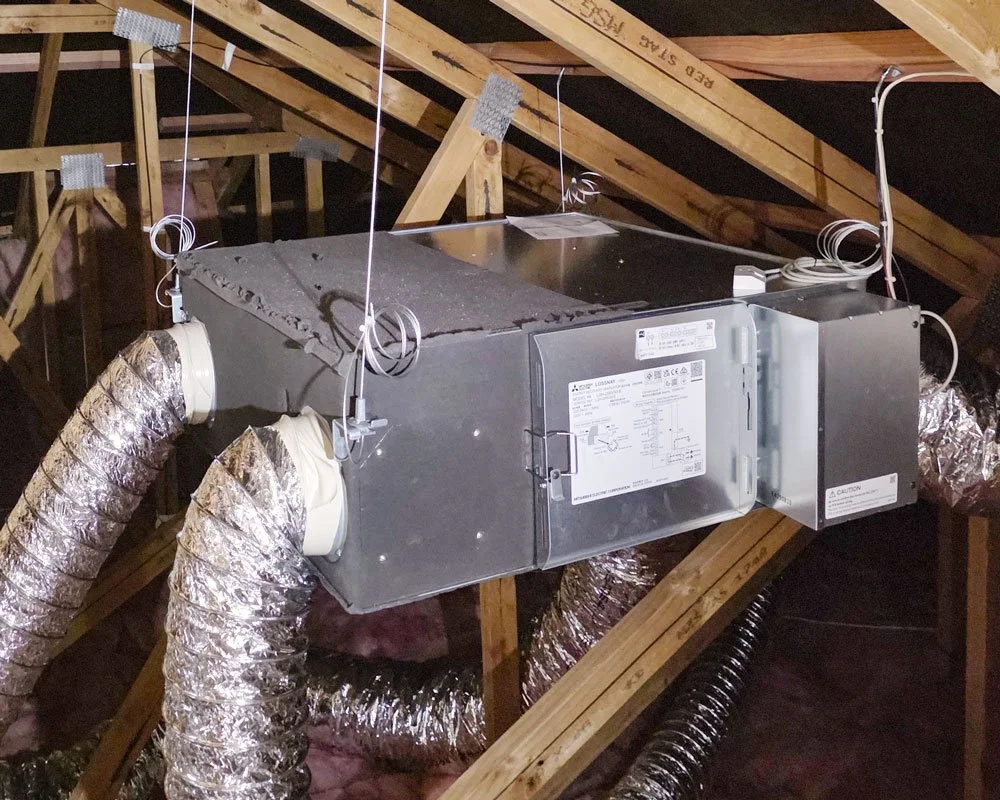
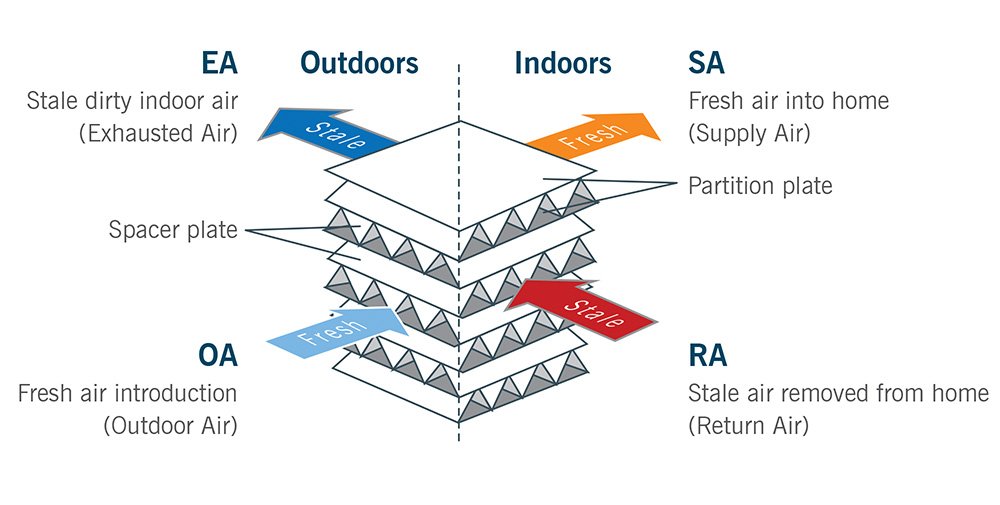
A balanced HRV (Heat Recovery Ventilation) system uses two small fans and a high efficiency heat exchanger core. One fan extracts stale, moist air from bathrooms, laundry and living areas. The other fan brings in filtered outdoor air. Inside the unit,
The two air streams pass through separate channels in the heat exchange core. Heat transfers from the outgoing air to the incoming air, so the fresh air arrives pre-warmed in winter and pre-cooled in summer evenings. The air streams do not mix, so contaminants, odours and moisture are carried out.
Modern Lossnay style systems add smart controls:
Free cooling bypass: when the outside air is cooler than inside on a summer night, the unit can bypass heat recovery and flush the home with cool air.
Variable airflow: fan speeds adjust to match occupancy, humidity or CO2 levels if sensors are fitted.
Filter options: from standard coarse filters for dust to finer grades for pollen and mould spores.
The result is continuous, gentle ventilation that maintains indoor freshness while reducing the load on your heating.
Why balanced systems reduce condensation and mould
Condensation appears when warm, moist indoor air meets cold surfaces like single glazed windows. Balanced ventilation removes moisture at the source and replaces it with drier outside air. In Canterbury, outside air in autumn is typically cooler and less humid than air in a closed home. With heat recovery, the system delivers that fresh air at a comfortable temperature, so you are not chilling the house.
Over time you will notice:
Fewer wet windows in the morning.
Lower relative humidity in living rooms and bedrooms.
Less opportunity for mould to take hold on sills, curtains and wardrobes.
Because the system runs steadily, rather than in short bursts, it helps keep humidity in the healthy range day and night. Pairing filtration with consistent ventilation also reduces airborne mould spores and allergens that thrive in damp spaces.
Allergy relief and cleaner indoor air
Lossnay style HRV (Heat Recovery Ventilation) delivers filtered outdoor air to living and sleeping spaces and extracts dust, odours and VOCs (Volitile Organic Compounds) from the home. With the right filter grade, you can reduce common Canterbury triggers such as pollen, fine dust and mould spores. Add an optional CO2 sensor and the unit can boost airflow automatically when a room gets stuffy, which helps with concentration and sleep quality.
If seasonal allergies are part of your household, consider upgrading to finer filters during spring pollen peaks, then revert to standard grades to balance cost and airflow the rest of the year.
Will HRV (Heat Recovery Ventilation) integrate with my existing heat pump?
Yes. Balanced HRV complements, rather than replaces, your heating and cooling. In winter, heat recovery reduces the amount of work your heat pump must do to keep rooms warm, as incoming air is pre-warmed before it reaches the space. In summer evenings, free cooling can flush built up heat so your heat pump can start from a lower temperature.
If you already have a ducted heat pump, an Heat Recovery Ventilation system can be interlocked so the two systems coordinate and avoid fighting each other. For high wall or floor console units, HRV supplies fresh air through separate ducts, improving air quality throughout the home while your heat pump handles temperature.
What to consider before installing in an existing home
Every home is different. A professional assessment will cover:
Sizing and airflow: the right unit capacity for your floor area, room layout and occupancy. Undersized systems will not control humidity well; oversized units can be noisier than necessary.
Ducting routes: shortest practical runs reduce pressure and noise. In existing homes, ceiling voids, wardrobes, garages or utility cupboards often provide workable paths. Vertical Lossnay models can sit in a garage or cupboard with ducts up into the ceiling.
Supply and extract points: fresh air to bedrooms and living areas, extraction from bathrooms, laundry and kitchen vicinity. Avoid placing supply diffusers directly above pillows or seating.
Noise control: select quiet units, use acoustic ducting or silencers near bedrooms and isolate the unit from framing to prevent vibration.
Penetrations and weathering: correct roof or wall penetrations with sealed cowls and backdraft protection suited to Canterbury winds.
Electrical provision: a dedicated supply and compliant isolation, plus any control wiring or Wi Fi setup.
Filters and access: allow clear access for filter changes and service.
A site visit will also check insulation levels and window performance. Ventilation works best alongside basic thermal improvements; we often combine advice with thermal imaging to identify cold spots.
Filter care and maintenance
Filters protect the heat recovery core and your lungs. Routine care keeps airflow strong and energy use low.
Inspection: check filters every three months in normal conditions, monthly if you live near roads, farmland or construction.
Cleaning: many pre filters can be vacuumed or washed gently, then fully dried before refitting.
Replacement: standard G4 filters typically last 6 to 12 months; finer M6 or F8 filters may need replacement sooner due to higher capture rates.
Core care: some models use paper cores that you do not wash; others use washable plastic cores. Follow the unit manual or your installer’s guidance.
Your installer can set reminders via the controller or app so maintenance does not get forgotten.
What installation and commissioning looks like
A typical Modserve process for an existing Canterbury home:
1. Assessment and design
Measure rooms, review building fabric, confirm duct routes and unit placement.
Calculate airflow rates, pressure losses and noise targets.
Select filters, sensors and control options to suit your goals.
2. Installation
Protect floors and furniture, then fit the unit in ceiling space, garage or cupboard.
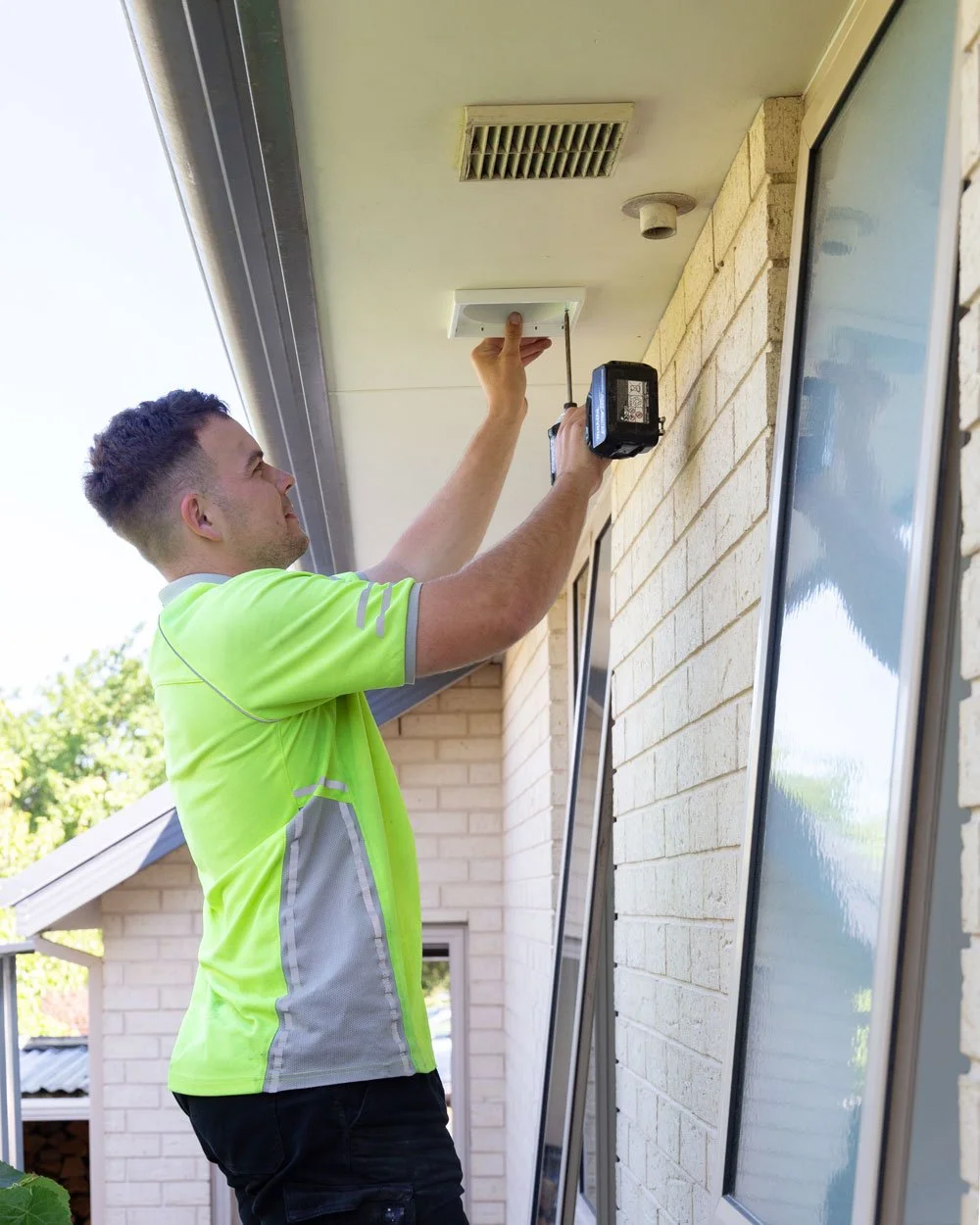
Run insulated ducting to supply and extract points, fit diffusers and weatherproof external cowls.
Provide electrical connection and controller location, then tidy and seal all penetrations.
3. Commissioning
Balance airflows at each diffuser, verify heat recovery operation and check for leaks.
Set schedules, humidity or CO2 boost, and free cooling thresholds.
Demonstrate controls, set up Wi Fi if chosen and log baseline readings.
4. Handover and service plan
Provide a maintenance schedule, filter part numbers and recommended service intervals.
Offer yearly checks to re balance if furniture layout or occupancy changes.
Why choose Modserve for assessment to maintenance
Modserve designs, installs, commissions and services balanced heat recovery ventilation alongside heat pumps and electrical works. Our NZ registered electricians and HVAC technicians handle neat ducting, quiet placement and full control setup. We also support future care with filter supply and scheduled servicing.
If you are exploring options, our team can advise on unit size, duct strategy, filtration level and integration with your current heating. We can also coordinate with any planned insulation or lighting upgrades so you get the best result from the whole system. If you are comparing brands, our experience with Lossnay gives us a strong platform to recommend the right lossnay ventilation system for your home.